22.1.2026
Training
How Firearm Training Improves Confidence, Safety, and Real-World Performance

How Firearm Training Improves Confidence, Safety, and Real-World Performance

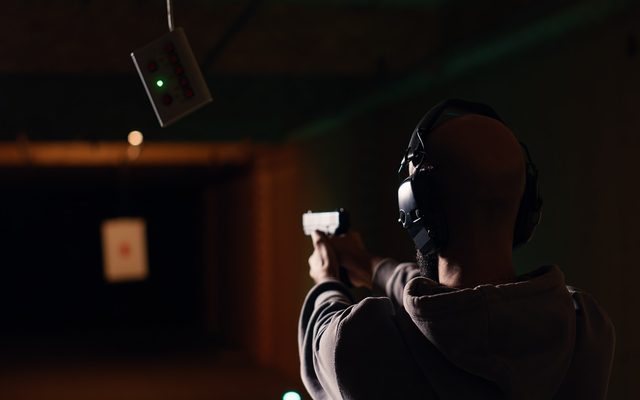
Confidence with a firearm should be earned, not assumed. Professional firearm training bridges the gap between ownership and competence by developing skills that hold under pressure.

Confidence without capability is dangerous. Capability produces confidence.

Training Creates Predictable Performance

Professional firearm training replaces guesswork with systems:

  • Consistent draw strokes
  • Reliable reloads and malfunction clearing
  • Repeatable accuracy standards
  • Structured movement mechanics

Consistency reduces hesitation and error.

Safety Through Repetition and Discipline

Training environments introduce complexity gradually:

  • Weapon handling under movement
  • Safe transitions between tasks
  • Controlled exposure to stress
  • Reinforced safety protocols

Safety becomes instinctive, not performative.

Mental Clarity Under Pressure

High-quality firearm training focuses on cognition:

  • Decision-making speed
  • Threat assessment
  • Emotional regulation
  • Situational awareness

Mental skills determine outcomes long before shots are fired.

Confidence Comes From Proof

Confidence grows when shooters:

  • Meet objective standards
  • Perform under time pressure
  • Solve problems under fatigue
  • Receive professional feedback

This is earned assurance, not ego.

Long-Term Skill Retention

Structured training improves retention by:

  • Building foundational mechanics
  • Reinforcing habits through drills
  • Encouraging dry-fire and at-home practice
  • Establishing performance benchmarks

Skill decay slows when systems are internalized.

Who Should Prioritize Firearm Training

  • New firearm owners
  • Concealed carriers
  • Professionals carrying for duty
  • Experienced shooters seeking refinement

Training scales with experience. Everyone benefits.

Strategic Takeaway

Firearm training is not about being fearless. It is about being prepared. Confidence follows competence, and competence is built through disciplined instruction.

If performance matters when it counts, training is the investment that pays dividends.