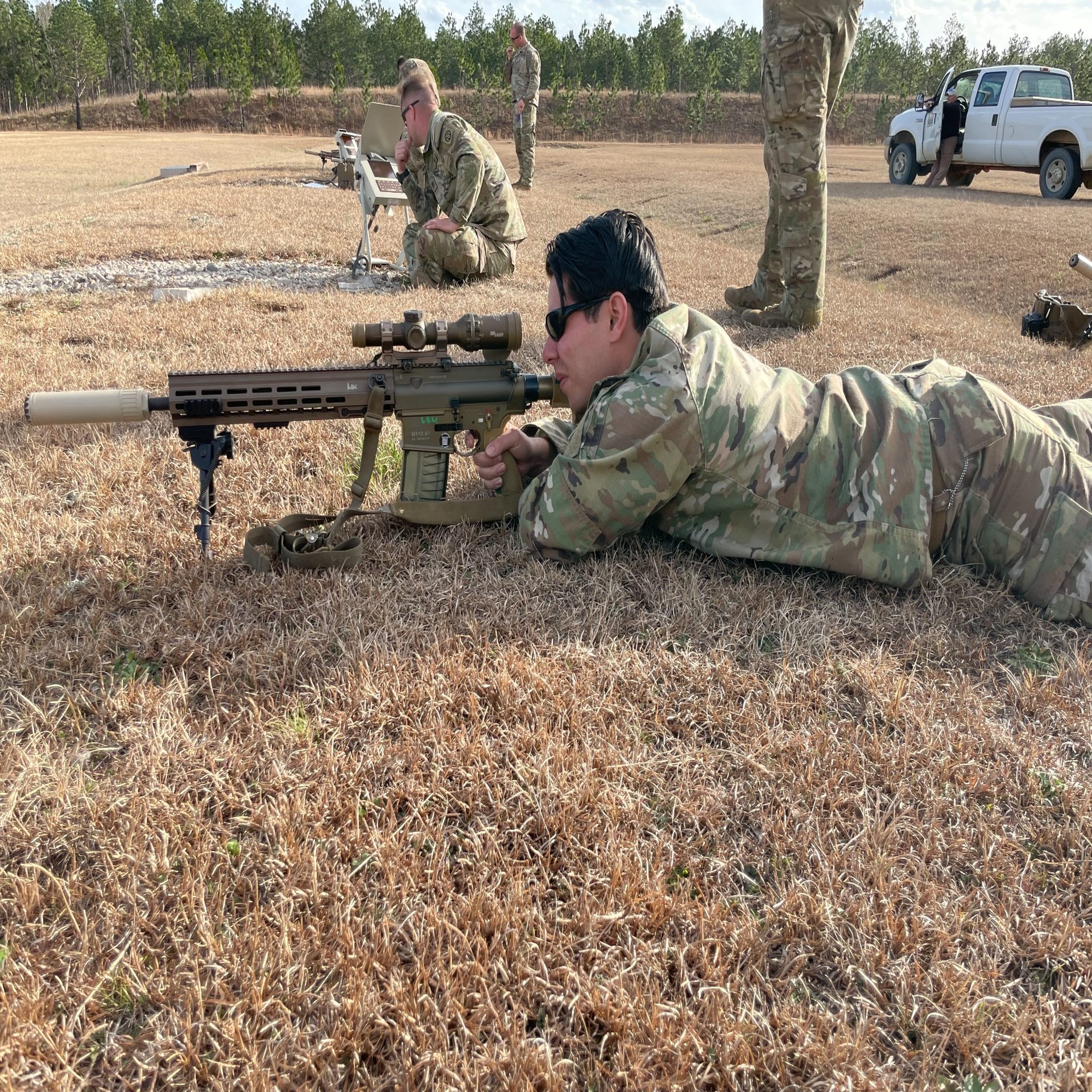
Professional Firearm Training: Why Structured Instruction Beats Self-Practice Every Time
Firearm ownership carries responsibility. While many gun owners spend hours at the range, far fewer invest in structured, professional firearm training. That gap is where skill plateaus, safety risks, and poor decision-making emerge.
Professional firearm training delivers more than trigger time. It builds disciplined fundamentals, stress-tested decision-making, and legally defensible responses under pressure. This is not about hobby shooting. It is about competence.
The Limits of Self-Directed Range Practice
Unstructured practice reinforces habits, not necessarily good ones. Without professional oversight, shooters often:
- Mask accuracy problems with slower shooting
- Fail to diagnose grip, stance, or trigger control errors
- Never train under realistic stress or time constraints
- Avoid movement, cover, and positional shooting entirely
Range time without feedback produces familiarity, not proficiency.
What Professional Firearm Training Actually Delivers
A professional training program introduces systems, not shortcuts:
- Foundational marksmanship with objective performance standards
- Defensive shooting mechanics for real-world encounters
- Stress inoculation through drills that elevate heart rate and cognitive load
- Scenario-based decision training that integrates legal and ethical judgment
This training creates repeatable outcomes instead of hopeful results.
Safety Is a Skill, Not an Assumption
Professional instruction embeds safety as an operational mindset. Students learn:
- Muzzle and trigger discipline under movement
- Weapon manipulation under fatigue
- Safe transitions between firearms and gear
- Risk assessment before every action
Safety failures almost always occur during complexity. Training prepares shooters for complexity.
Training Builds Legal and Mental Readiness
In defensive contexts, accuracy alone is insufficient. Professional firearm training emphasizes:
- Threat identification and de-escalation
- Understanding use-of-force laws
- Post-incident conduct and articulation
- Cognitive control under stress
These factors often matter more than raw shooting speed.
Who Benefits From Professional Firearm Training
- New gun owners seeking confidence and safety
- Armed professionals requiring duty-level competence
- Concealed carriers preparing for defensive use
- Exp